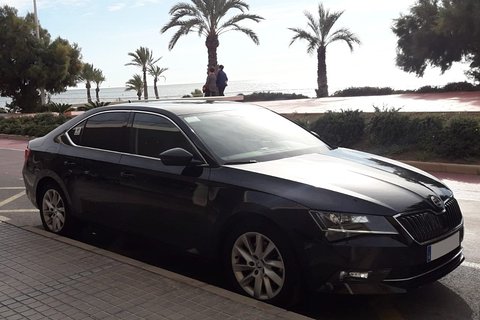
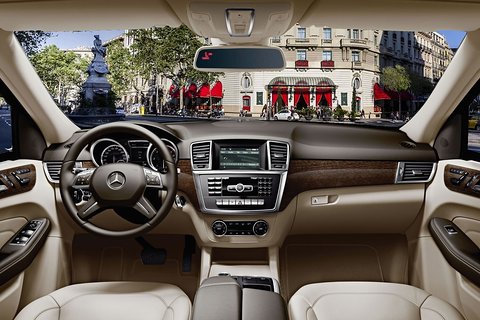
Private VIP Transfer from Alicante Airport to Denia area
Free CancellationPrivate
From €219
Check Availability →
Alicante burns giant papier-mâché sculptures on the night of 23 June and turns the entire city into a street party for five days either side.
Hogueras de San Juan is Alicante's answer to Valencia's Las Fallas: months of work by local artistic guilds producing enormous satirical sculptures called hogueras, which are paraded through the city and then burned on the night of 23 to 24 June. The bonfires take place across the city simultaneously from midnight, with the largest in the Plaza del Ayuntamiento. The heat is considerable from ten metres away. Firework displays run from the castle hill. It draws around 300,000 visitors over the five-day festival period.
The days leading up to the bonfires are equally important for anyone who wants the full experience. Mascletà — daytime firework concerts consisting entirely of percussion and shockwave — fire at 2pm daily from the Plaza del Ayuntamiento from 20 June. The noise is physical rather than auditory at close range. Traditional dress parades (desfilada de gala) move through the streets on the evenings of 20 and 22 June. El Barrio fills up every night from around 10pm for bar crawls that run until the mascletà the next afternoon. Accommodation in Alicante books out four to six weeks ahead for the 20–24 June period.
Party hostels within reach of 's main celebrations. Ranked by guest rating.
Day-by-day breakdown
Position yourself in the square by 1:45pm. The mascletà is a five-minute percussion firework sequence that builds from crackle to full concussive impact. Earplugs are sold on the street beforehand and are worth using. The square fills to capacity: arrive early or watch from a side street for a less compressed experience.
The hogueras sculptures are displayed across the city's neighbourhoods until the night of the burning. A printed map from the tourist office on Rambla de Méndez Núñez shows all locations. After the walk, El Barrio fills from 10pm: Calle Santo Tomás and Calle Tarifa are the main streets. Clubs near the port stay open until 6am or 7am.
Bonfires are lit simultaneously across the city from midnight on 23 June. The Plaza del Ayuntamiento hoguera is the centrepiece. The Castro district, Carolinas, and Benalúa all have their own burns. The whole city smells of smoke and firecrackers until around 4am. Street food stalls — buñuelos, churros, grilled sardines — operate across the city through the night.
The Hogueras marks the unofficial start of Alicante's summer season. Beach days at Postiguet (15 minutes' walk from most hostels) and San Juan (20 minutes by tram) follow naturally. The city's nightlife continues at full pace through July and August.
Pre-booked private transfers and shared shuttles for your arrival.